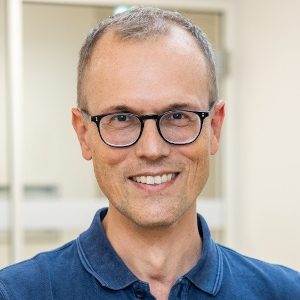

Bad Krozingen Sleep Laboratory (Baden-Wuerttemberg): Dr Rainer Stumpp-Korten
Treatment focus
- Sleep apnea and sleep-related breathing disorders (e.g., snoring)
- Insomnia (difficulty falling asleep and staying asleep)
- Sleep-related movement disorders
- Sleep diagnostics for respiratory and cardiac diseases
- Parasomnias and rare sleep disorders
Contact
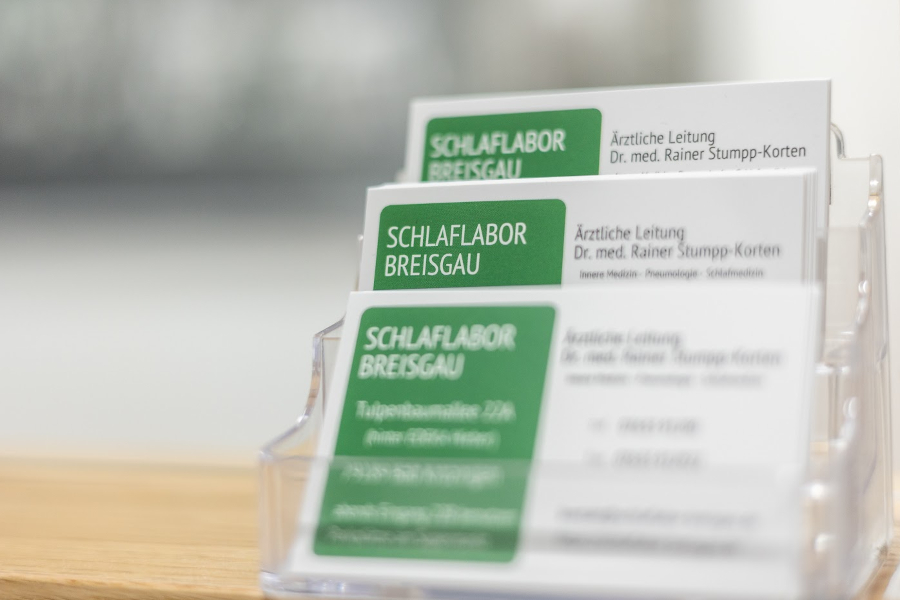
SCHLAFLABOR BREISGAU
Tulpenbaumallee 22A, D-79189 Bad Krozingen
P: +49 7633 944 4014 F: +49 7633 912 922
Consultation Hours:
By appointment
Call hours:
Monday–Thursday, 8:00 AM - 12:00 PM
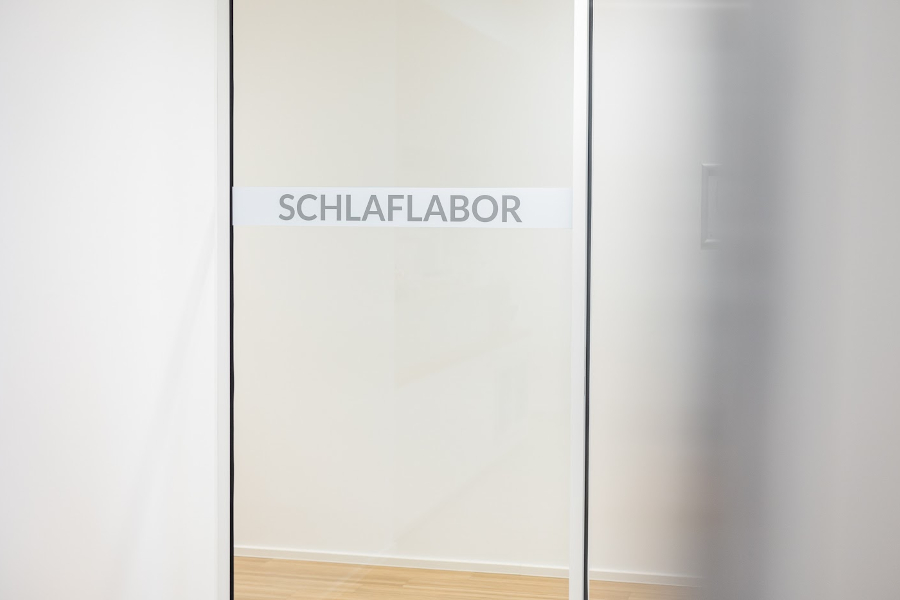
Impressions
Medical Range
Range of Diagnostic Services
Sleep Apnea and Sleep-Related Breathing Disorders
- Snoring associated with non-restorative sleep
- Upper airway resistance syndrome (UARS)
- Obstructive sleep apnea syndrome (OSAS)
- Mixed sleep apnea syndrome
- Central sleep apnea syndrome (idiopathic, associated with heart disease or neurological disorders, or associated with medication use (e.g., opioids))
- Nocturnal respiratory disturbances associated with chronic respiratory diseases, heart disease, and neurological disorders
- Evaluation of nocturnal oxygen deficiency (hypoxia)
- Evaluation of nocturnal carbon dioxide elevation (hypercapnia); nocturnal blood gas analysis (BGA)
- Evaluation of polycythemia (elevated Hb level) to rule out nocturnal oxygen deprivation as a cause
- Evaluation of elevated blood pressure at night or in the morning
- Nocturnal awakenings with shortness of breath
- Nocturnal awakenings with palpitations
Sleep Disorders
- Insomnia (difficulty falling asleep or staying asleep) in general
- Chronic insomnia (difficulty falling asleep or staying asleep for at least 3 months)
- Insomnia associated with physical and mental health conditions
- Misperception of sleep/sleep perception disorder
- Non-restorative sleep
- Excessive daytime fatigue and daytime sleepiness
Sleep-Related Movement Disorders
- Restless legs syndrome (RLS)
- Periodic limb movements during sleep (PLMS or PLMD)
- REM sleep behavior disorder (motor acting out of dream content, e.g., screaming, kicking, or punching while asleep)
Parasomnia
Narcolepsy (diagnostic evaluation by individual arrangement)
Range of Therapeutic Services
- Initiation of nighttime mask therapy for sleep apnea syndrome
- Monitoring and optimization of sleep apnea therapy settings/monitoring of mask therapy
- Basics of position training for supine-position-associated sleep apnea
- Counseling on the treatment of SDB with MAD (intraoral device, anti-snoring splint) and referral to specialists
- Initiation and monitoring of non-invasive ventilation (NIV) for severe sleep apnea or associated with chronic respiratory diseases
- Initiation and monitoring of nighttime oxygen therapy, e.g., for chronic respiratory diseases
More Information
Card
Dr Rainer Stumpp-Korten is a specialist in internal medicine, pulmonology (lung and bronchial medicine), and sleep medicine and the medical director of SCHLAFLABOR BREISGAU in Bad Krozingen.
The experienced and skilled team at Breisgau Sleep Laboratory, a well-established specialist clinic for sleep medicine, treats the full spectrum of sleep disorders. Dr Stumpp-Korten and his team focus primarily on the diagnosis and treatment of sleep-related breathing disorders, especially sleep apnea.
Sleep Apnea and Sleep-Related Breathing Disorders at the Bad Krozingen Sleep Laboratory
Sleep-related breathing disorders are among the most common causes of non-restorative sleep. In sleep apnea, pauses in breathing or restricted breathing occur repeatedly throughout the night. This can repeatedly interrupt sleep and impair oxygen supply. Patients are often unaware of these nocturnal breathing events. Signs may include severe daytime sleepiness, difficulty concentrating, decreased performance, or morning symptoms. Snoring, especially when accompanied by non-restorative sleep or observed pauses in breathing, may also indicate a sleep-related breathing disorder and require further evaluation by a sleep medicine specialist.
SCHLAFLABOR BREISGAU offers comprehensive diagnostic services for these symptoms. Depending on the clinical question, an outpatient examination using polygraphy may be the first step. During this procedure, breathing, oxygen saturation, heart activity, body position, and snoring sounds, among other parameters, are recorded overnight. If symptoms persist or the findings are unclear, a detailed examination can be carried out in the sleep laboratory.
The treatment depends on the type and severity of the condition, along with the patient’s individual circumstances. For example, in cases of sleep apnea requiring treatment, nighttime mask therapy with positive airway pressure may be used. Depending on the findings, positional training for supine-position-associated sleep apnea or noninvasive ventilation may also be considered. Dr Stumpp-Korten can also provide personalized advice on treatment with a mandibular advancement splint and recommend appropriate care from specialized practitioners.
Personalized Treatment for Insomnia (Difficulty Falling Asleep and Staying Asleep)
Restful sleep is essential for physical and mental well-being. If difficulty falling asleep or staying asleep persists over a longer period, it can significantly affect quality of life. Many patients experience daytime fatigue, reduced performance, difficulty concentrating, or mood changes.
Sleep disorders can have numerous causes. In addition to physical illnesses, mental health conditions and stress, poor sleep habits, or certain medications often play a role. Therefore, a thorough investigation of the underlying causes by a specialist in sleep medicine is crucial for initiating targeted treatment. In addition to chronic insomnia, the evaluation can also address non-restorative sleep, pronounced daytime fatigue or drowsiness, and changes in a person’s perception of their own sleep.
Treatment at the BREISGAU Sleep Laboratory is consistently tailored to the specific causes of the symptoms. In addition to medical interventions, recommendations for improving sleep hygiene and personal sleep habits are also considered. The goal is to stabilize natural sleep patterns over the long term and to improve sleep quality in a sustainable way.
Thanks to the close integration of expertise in pulmonology and sleep medicine, even complex clinical conditions can be comprehensively evaluated. This ensures that patients receive personalized care from a single source.
Specialist in Sleep-Related Movement Disorders
Sleep-related movement disorders can significantly impair nighttime rest. Important conditions include restless legs syndrome (RLS), periodic limb movements during sleep (PLMS or PLMD), and REM sleep behavior disorder. Restless legs syndrome is typically characterized by an unpleasant urge to move the legs, whereas periodic leg movements occur during sleep and can repeatedly disrupt it. In REM sleep behavior disorder, dream content may be acted out physically, for example through screaming, kicking, or punching.
If these symptoms occur, sleep medicine diagnostics allow for an accurate assessment of nighttime processes. During an examination at SCHLAFLABOR BREISGAU, sleep stages, muscle activity, heart activity, breathing, and leg movements, among other parameters, are recorded simultaneously. This makes it possible to correlate involuntary movements with specific sleep phases and distinguish between different causes of sleep disturbance.
Based on the examination results, Dr. Stumpp-Korten can classify the symptoms accurately and discuss suitable treatment options with the patient. The focus is on an approach tailored to the specific cause and severity of the symptoms.
Sleep Diagnostics for Respiratory and Cardiac Diseases
Diseases of the respiratory and cardiovascular systems may be associated with changes that occur during sleep. Conversely, sleep-related breathing disorders can place a strain on the body, particularly the cardiovascular system. A sleep medicine evaluation can therefore provide important insights, especially in cases where such preexisting conditions are present.
As a specialist in internal medicine and pulmonology, Dr. Stumpp-Korten has significant experience in evaluating diseases of the lungs and respiratory tract. This expertise is combined with the sleep medicine diagnostics offered by SCHLAFLABOR BREISGAU.
Depending on the clinical question, outpatient and more in-depth diagnostic procedures are available. During an examination in a sleep laboratory, numerous measurements are recorded simultaneously. In addition to EEG and eye movements, muscle activity, respiration, oxygen saturation, heart activity, and body position, among other things, are recorded. Depending on the specific issue, the evaluation can also assess nocturnal oxygen deprivation (hypoxia), elevated carbon dioxide levels (hypercapnia), and changes in blood gases. Symptoms such as nocturnal shortness of breath or heart palpitations, as well as elevated blood pressure at night or in the morning, may also warrant a sleep medicine evaluation.
The combination of these tests allows for a comprehensive assessment of sleep and related physiological functions. Further diagnostic and therapeutic steps can be determined on an individual basis according to the findings. The goal is to reliably identify sleep disorders and initiate treatment tailored to the patient’s specific symptoms and health status.
Parasomnias and Rare Sleep Disorders
Not every unusual occurrence during sleep can be clearly classified based on typical symptoms. Parasomnias, for example, may involve unusual movements or behaviors during the night. It is often difficult for patients to provide an accurate description, especially if they cannot remember the events the next morning.
If symptoms are unclear or complex, an examination in a sleep laboratory can provide important information. Polysomnography monitors numerous body functions throughout the night. These include, among others, brain waves, eye movements, muscle activity, heart rate, breathing, oxygen saturation, and body position. All events that occur during sleep can be monitored using an infrared camera at the SCHLAFLABOR BREISGAU. This allows for a detailed evaluation of unusual events during the night without disruptive light.
Sleep medicine diagnostics allow for a detailed assessment of nighttime abnormalities associated with parasomnias. Even rarer sleep disorders, such as narcolepsy, can be further evaluated following an individual consultation. Once the examination is complete, the collected data is analyzed, and the results are discussed with the patient. This approach allows for a targeted investigation of even rarer or difficult-to-classify sleep disorders.
Please visit the SCHLAFLABOR BREISGAU website for more information.
Curriculum Vitae
| 2020 | Takeover of the Pulmonology and Sleep Medicine Practice in Bad Krozingen |
| 2017 - 2019 | Breisgau Specialist Practice and Sleep Laboratory, Dr Randelshofer |
| 2011 - 2017 | Senior Physician AMEOS-Klinikum Kaiserstuhl Vogtsburg |
| 2008 - 2011 | Breisgau Specialist Practice and Sleep Laboratory, Dr Randelshofer, Bad Krozingen |
| 2011 | Additional qualification in sleep medicine |
| 2008 | Focus on Pulmonology |
| 2006 -2007 | Senior Physician Kreiskrankenhaus Lörrach |
| 2005 | Medical Specialist in Internal Medicine |
| 2000 - 2006 | Assistant Physician and, since 2004, Senior Physician at St. Elisabethen-Krankenhaus Lörrach |
| 1999 - 2000 | Loretto-Krankenhaus Freiburg |
| 1998 - 1999 | St. Vincentius-Krankenhäuser Karlsruhe |
Team
- Dr. Jennifer Küllmer
Specialist in internal medicine, pulmonology, and sleep medicine
Location
Transport Connections
| Bad Krozingen Station | 2 km |
| Freiburg im Breisgau Main Station | 15 km |
| Basel-Mulhouse Airport | 70 km |
| Straßburg Airport | 98 km |
| Stuttgart Airport | 217 km |
Information about Bad Krozingen
Bad Krozingen is located in the sunny Markgräflerland region in southwestern Baden-Württemberg, not far from Freiburg and the French border. This historic spa town is particularly well-known for its thermal springs, its expansive spa park, and its wide range of wellness offerings. Its charming location between the Black Forest, the Rhine Valley, and the vineyards offers numerous opportunities for relaxation, nature experiences, and excursions.