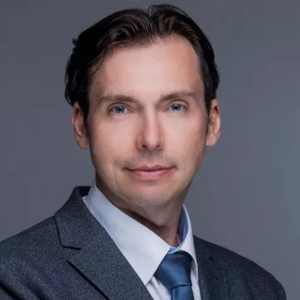
Specialist in Vienna (Austria): Dr Stefan Grossauer
Treatment focus
- Cervical disc prostheses
- Vertebral slippage/vertebral fractures - Minimally invasive stabilization
- Herniated disc
- Spinal canal stenosis
- Decompression surgery for nerve entrapment syndrome
- Second opinion
Contact
Neurochirurgen Wien
Pelikangasse 3/101, A-1090 Vienna
Consultation Hours:
Mon–Sun by appointment
Medical Range
Range of Diagnostic Services
- Interpretation of imaging studies from a spinal surgical perspective
- Neurosurgical physical examination
- Organization of imaging examinations of the spine
- Nerve sonography
More Information
Card
Dr Stefan Grossauer, MBA, is a medical practitioner specializing in neurosurgery, with a focus on minimally invasive spinal surgery, and runs his own practice in Vienna.
The goal of Dr Grossauer, an experienced specialist, is to offer his patients the best possible care. He treats spinal disorders and diseases of the central and peripheral nervous systems using state-of-the-art minimally invasive and conservative therapeutic methods. In addition to the quality of medical care, he places great importance on a personalized, well-organized treatment plan that is individually tailored to each patient’s specific needs.
Long-Standing Experience in the Treatment of Complex Herniated Discs
A herniated disc is a degenerative condition in which disc tissue protrudes into the spinal canal, where it irritates or compresses nerve structures. Symptoms range from localized back pain to radiating pain, sensory disturbances, or motoric deficits.
Dr Stefan Grossauer has extensive experience in the detailed evaluation of such symptoms, taking clinical findings and high-resolution imaging diagnostics such as MRI scans into account. As a board-certified neurosurgeon and spine specialist in Vienna, he evaluates not only the radiological findings but, above all, whether the symptoms are actually related to the herniated disc.
A key component of his therapeutic philosophy is clearly defining the indication. Not every herniated disc requires surgery. In many cases, targeted conservative treatments, such as medication for pain management or precisely placed injections, can provide significant relief from symptoms.
If surgery becomes necessary, minimally invasive techniques are used to remove the herniated tissue while preserving the surrounding structures. These procedures reduce the risk of complications and support rapid postoperative recovery. The goal is to effectively relieve pressure on the nerve structures while maintaining the biomechanical stability of the spine.
Specialist in Spinal Canal Stenosis and Nerve Compression in Vienna
Spinal stenosis is characterized by narrowing of the spinal canal, which is often caused by age-related changes such as bone spurs, thickened ligaments, or herniated discs. These structural changes lead to compression of the nerves and typically result in pain that worsens with activity, along with limited ability to walk.
Dr Stefan Grossauer places great importance on accurately identifying the underlying causes, as treatment depends largely on the anatomical structures involved. In addition to the clinical examination, imaging techniques play a key role in precisely evaluating the extent of the narrowing.
A step-by-step approach is taken in treatment. Initially, conservative measures such as targeted injections are used, which can reduce inflammation and provide temporary relief to the nerves. When symptoms are advanced or persistent, minimally invasive decompression procedures are used. In these procedures, the structures causing the narrowing are selectively removed to restore sufficient space for the affected nerves.
These procedures are carried out with the utmost care to preserve the spine’s stabilizing structures, which is particularly crucial for long-term functionality. The goal of treatment is not only to reduce pain but, above all, to improve walking distance, mobility, and quality of life.
Intervertebral Disc Prosthesis in the Cervical Spine
Degenerative changes in the cervical spine can lead to damage to the intervertebral discs, which may result in pain and neurological deficits. In select cases, the implantation of an intervertebral disc prosthesis offers a modern alternative to traditional fusion surgery. Dr Stefan Grossauer specializes in this technique and uses it selectively when indicated.
The key advantage of an intervertebral disc prosthesis is that segmental mobility is preserved. While spinal fusion surgery eliminates mobility in the affected section of the spine, the prosthesis allows for near-physiological function. In the long term, this can help protect adjacent segments from overload.
Suitable patients are selected based on clearly defined criteria that take their anatomical conditions and the clinical course into account. The procedure itself is minimally invasive and requires a high degree of surgical precision.
Patients often experience rapid pain relief and a quick return to mobility after this procedure, making it an important option in modern spinal surgery.
State-of-the-Art Kyphoplasty for Osteoporotic Vertebral Fractures
Osteoporotic vertebral fractures often result from reduced bone density and can occur even under minimal stress. These fractures not only cause severe pain but can also lead to spinal deformity. Kyphoplasty is a well-established procedure for stabilizing such compression fractures, which Dr Stefan Grossauer uses routinely.
During the procedure, a balloon is placed into the affected vertebral body to gently straighten it. Medical bone cement is then injected to stabilize the vertebra and maintain its new shape. This procedure allows for targeted restoration of vertebral body height and reduces the kyphotic deformity.
A major advantage of kyphoplasty is the immediate reduction in pain, which often occurs shortly after the procedure. In addition, stabilizing the vertebra helps improve mobility and prevent further complications.
Thanks to its minimally invasive approach and precise execution under imaging guidance, the procedure is particularly gentle and therefore also suitable for older patients who are at increased risk.
A Well-Founded Second Opinion on Spinal Conditions from an Experienced Neurosurgeon
For many patients, the decision to undergo spinal surgery is a source of uncertainty. A well-informed second opinion can help patients better understand their diagnostic findings and identify the best treatment option for their individual situation. Dr Stefan Grossauer offers a structured and comprehensive second-opinion consultation based on his many years of clinical experience.
As part of this consultation, all available records, including imaging studies and previous findings, are analyzed in detail. This process not only involves reviewing the diagnosis but also critically evaluating the treatment recommended to date. The goal is to provide an evidence-based and transparent recommendation. An independent neurosurgical evaluation can offer additional reassurance, particularly in cases of planned spinal surgery, such as for herniated discs, spinal stenosis, cervical disc damage, or osteoporotic vertebral fractures.
Particular attention is paid to weighing the pros and cons of conservative versus surgical treatment options. It is not uncommon for alternative treatment approaches to emerge that had not been sufficiently considered previously. Likewise, a second opinion can confirm that surgery is medically appropriate and should be planned with realistic expectations.
Transparent communication and a clear explanation of complex medical concepts provide patients with a reliable basis for decision-making. This strengthens their confidence in the chosen treatment and contributes significantly to a positive treatment outcome.
Curriculum Vitae
| June 2022 – December 2024 | Senior Physician, Director of the Spine Outpatient Clinic, University Clinic for Neurosurgery, Vienna General Hospital |
| February 2018 – May 2022 | Senior Consultant, Head of Skull Base Surgery, Klinikum Frankfurt Hoechst, Frankfurt am Main, Germany Expert Appraiser at the Hesse State Social Court, Darmstadt, Germany |
| April 2016 – February 2018 | Senior Physician, University Clinic for Neurosurgery Bochum-Langendreer, Ruhr University, Bochum, Germany |
| January 2015 – March 2016 | Associate Specialist, Department of Neurosurgery, University of California San Francisco, USA |
| February 2011 – December 2014 | Senior Physician, Department of Neurosurgery, Klinikum Klagenfurt am Wörthersee |
| October 2010 – January 2011 | Medical Specialist in Neurosurgery, University Clinic for Neurosurgery, Graz, Medical University of Graz |
| April 2009 – September 2009 | Research Fellow, University Department of Neurosurgery, University of Verona, Italy |
| April 2004 – September 2010 | Assistant Physician, University Clinic for Neurosurgery, Medical University of Graz |
Team
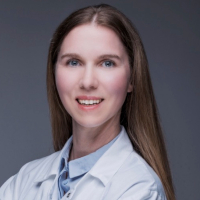
Dr Katharina Köck, MBA
Medical Specialist in Neurosurgeon,
Specialist in Peripheral Nerve Surgery
Location
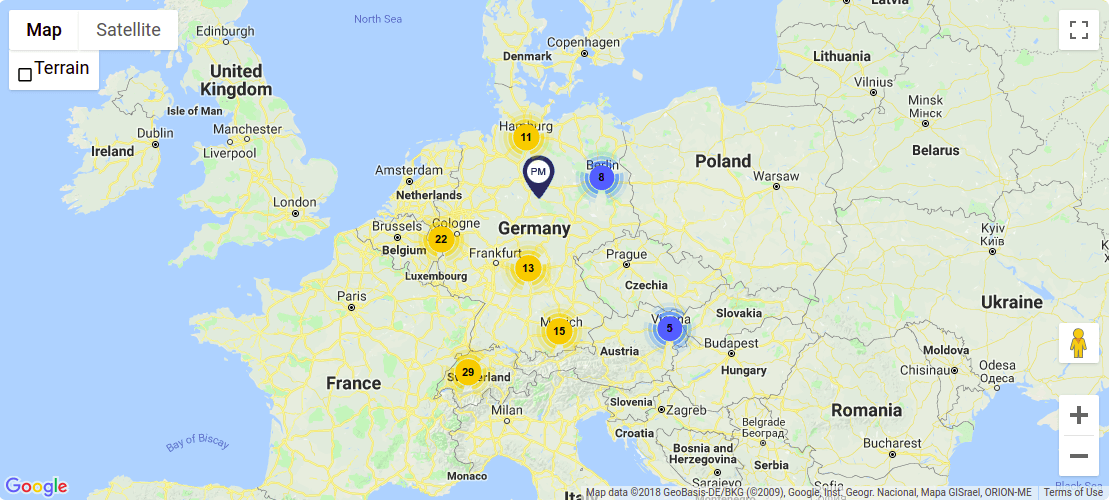
Transport Connections
| Vienna West Station | 3 km |
| Vienna Main Station | 5 km |
| Vienna Airport | 22 km |
Medical Articles
Neurosurgeons in Vienna - Introductory Video
Welcome to the private practice for minimally invasive spinal surgery and pain management at Neurosurgeons Vienna.
Information about Vienna
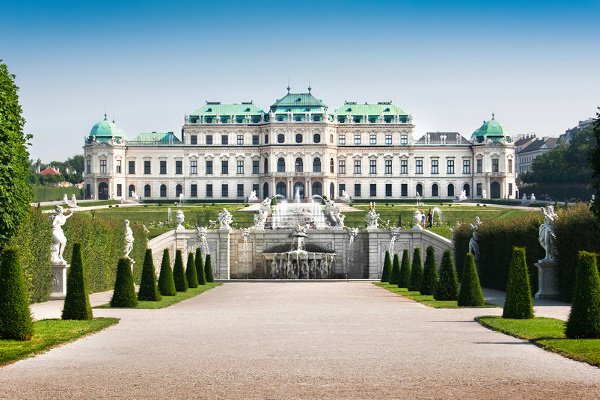
The Austrian capital is located in the east of the country at the junction of the eastern Alpine foothills and the Pannonian Plain. Its namesake is the small river Wien, but the city is associated with the much larger Danube River that also flows by the city. Vienna is divided into so-called districts, so the old town is also the Inner District, around which the other 22 districts are arranged concentrically. In 2001 the historic city centre was declared a UNESCO World Heritage Site.